
AquaOil srls
Via Terracina 27, 00177 Roma (Italia)
C.F. - P.IVA - № registro imprese 16213571009
Numero REA RM - 1641982
www.aquaoil.info – pec : aquaoil@pecodc.it
Email: info@aquaoil.it
Telefono: +39 349 342 3348
Applied research for innovation and development
AquaOil
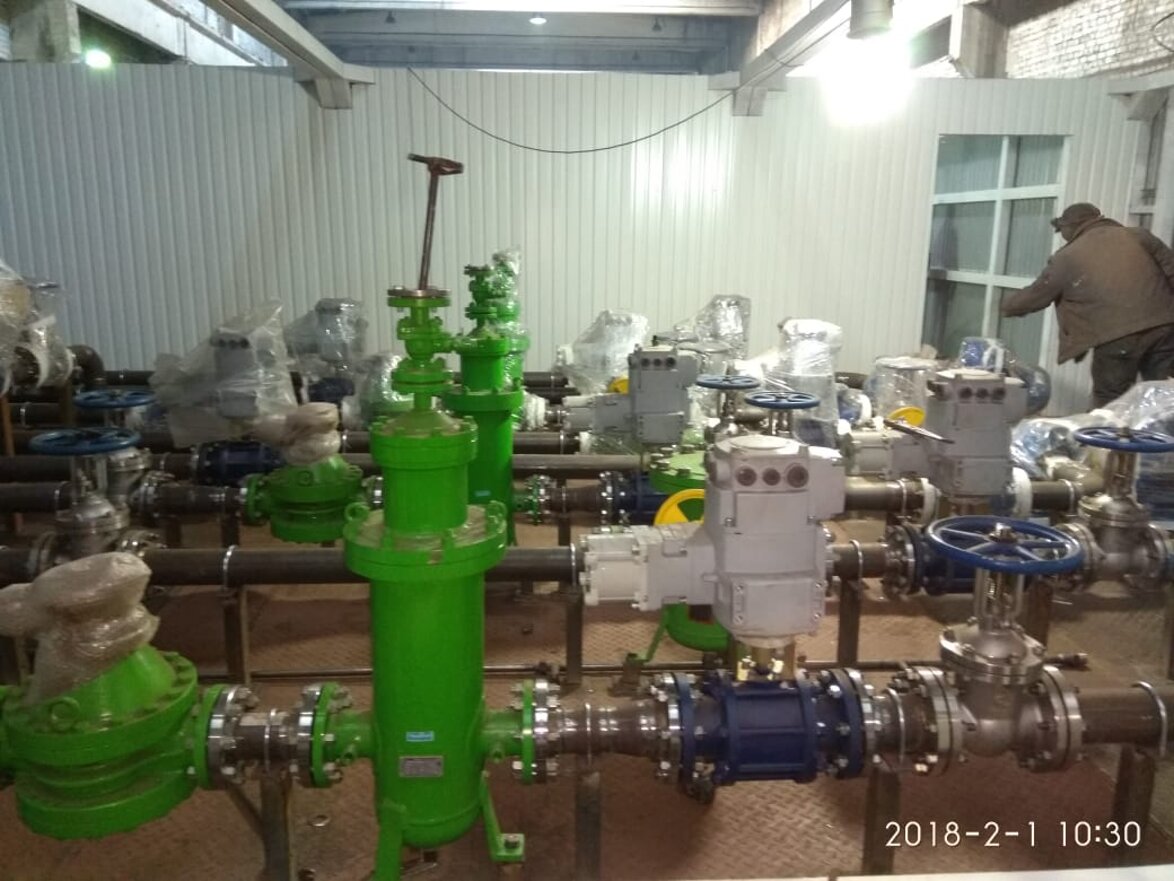
HOMOGENISATION OF PETROLEUM PRODUCTS
IMPROVEMENT OF HYDROCARBON FLOW CHARACTERISTICS
With the proposed process, called PLASMA TRANSONIC SYSTEM, the following is achieved:
- COLLOIDAL STABILISATION of products and raw materials from various refining units
- HOMOGENEIZATION of all the different multi-component oil products
- EMULSION of all asphalt - tar and carbenoid agglomerates
- MODIFICATION of raw materials and products with all kinds of additives and additives
- INCREASE in the share of low-cost by-products to be added and mixed to obtain high-margin products
- REDUCTION OF INHIBITORS AND ADDITIVES in existing processes
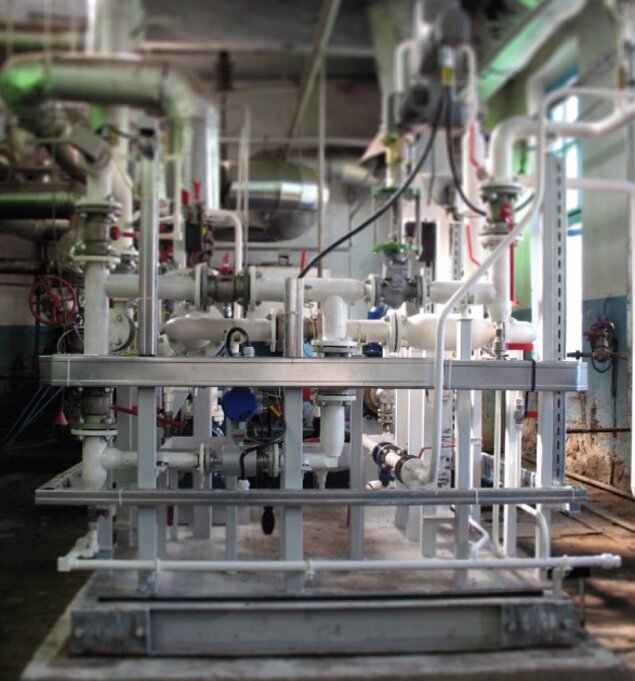
Homogenisation, improvement of hydrocarbon characteristics.
Principles of the process:
1.With a supersonic two-phase flow, which is formed in the transonic flow apparatus, mixing and homogenisation processes of petroleum products in the gas-vapour-liquid state are achieved (vapour-gas-liquid mixing is much more effective than liquid-liquid mixing).
2.The pressure surge, which occurs in the transonic flow apparatus, also imparts an additional hydrodynamic effect to the hydrocarbons to be processed. The energy generated by the pressure surge is sufficient to break the individual C-C bonds in linear paraffinic hydrocarbons and also to break the micellar structures of high-molecular hydrocarbons (globules, micelles).
Result of processes related to points 1 and 2
For the production of multi-component marine fuels, oven fuels and other fuel mixtures.
Fuels produced in transonic flow apparatus have a number of advantages over similar fuels currently produced in refineries. The high degree of homogenisation, which is achieved with this process, preserves a homogenous structure and prevents separation of the fuel during storage, transport and under varying temperature conditions.
The process is suitable for the treatment of highly viscous oil product compounds (fuel oil, tar).
The pre-treatment of highly viscous petroleum products with a 'pressure surge' destroys globules and micelles and achieves a homogenous fuel structure without lumps.
In the next step, the introduction of solvents, stabilisers (diesel, diesel fractions, additives, etc.) and qualitative homogenisation allow the molecules to be isolated, create a thin solvent shell and prevent the process of repeated micelle and globule formation, which in turn leads to a change in the viscosity (reduction) of the blended compounds, increasing stability and homogeneity during transport and storage and under conditions of exposure to varying temperatures.
The process is also suitable for treating fractions with light paraffinic hydrocarbons in compound mixtures.
A pre-treatment can be carried out in the transonic flow apparatus, whereby the fuel viscosity, its density (decrease) and its composition in fractions (increase in the proportion of fractions with a lower boiling point) are varied.
The possibilities described above make it possible to
- produce high-quality homogeneous composite fuels
- reduce the share of high-cost components (from 5 to 20%)
- bring quality indicators up to the required GOST values
- have the possibility not only to reduce high-cost components, but also to replace them with cheaper ones.
Sectors in which this technology is used:
1.Production of blended marine fuels
2.Production of furnace fuel blends
3.Production of blended fuels for engines
4.Transport of petroleum products
5.Production of surfactant-free bitumen emulsions
6.Production of bitumen (oxidation of petroleum products)
7.Treatment of diesel with subsequent involvement in the distillation process and extraction of additional fractions of low boiling point components.